Engineering Knowledge, Reimagined
Pratt & Whitney / Raytheon Technologies
Led research and design for a $7M initiative to standardize engineering documentation and improve access across departments. Collaborated with cross-functional teams and coordinated external UI design and development resources to support a unified engineering knowledge base.
Curated view drawn from the Pratt & Whitney public materials used as placeholder references due to government and military contract restrictions on the original project artifacts.

A Lack of Standardization
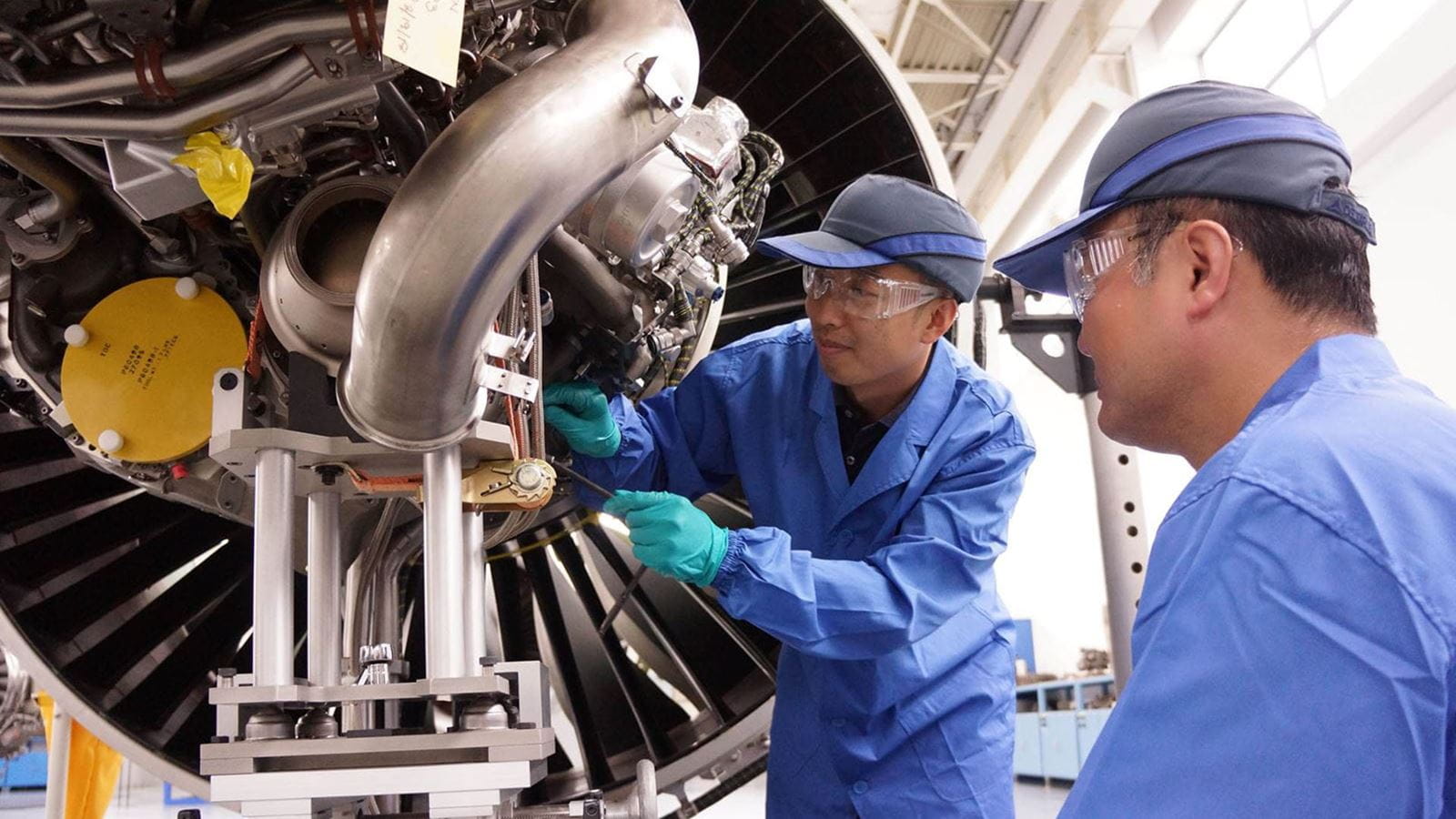
Fragmented Documentation
As experienced engineers approached retirement, preserving their accumulated knowledge and making it accessible to incoming engineers became an increasingly important consideration.
Balancing User Expectations and Accessibility
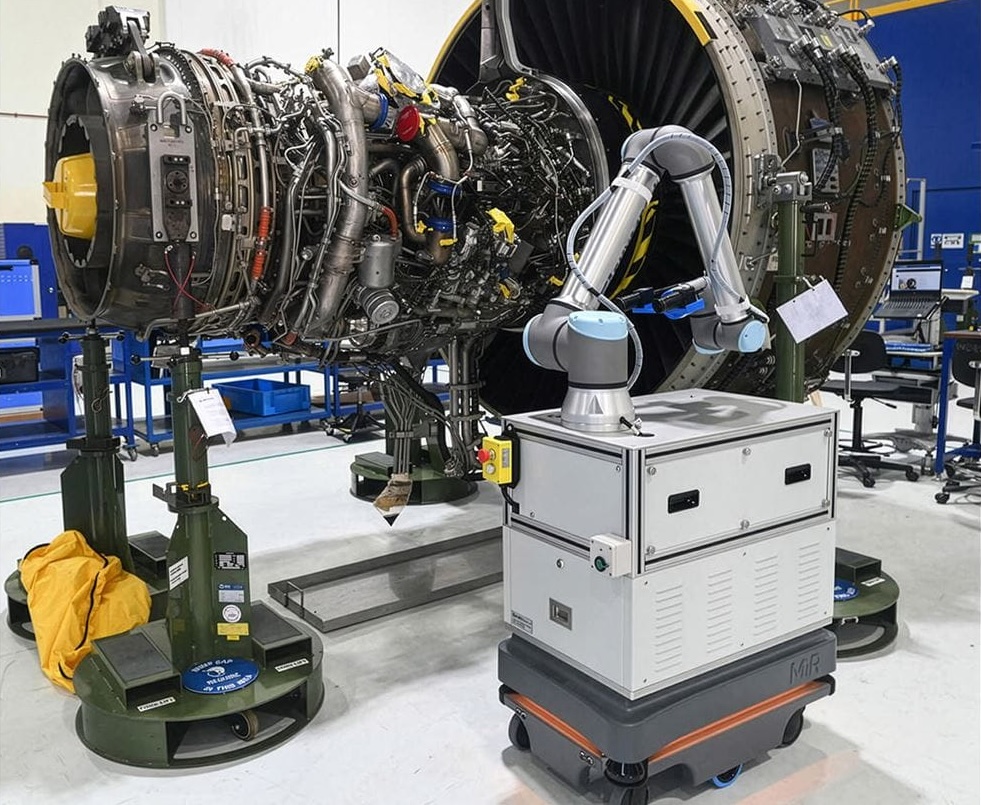
The challenge was to create a consistent, accessible interface that respected engineers' need to navigate complex technical information efficiently without overwhelming them with content.
The Process
- 01
Establishing the Workflow
I established the UX workflow for the project, including interviews, card sorting, persona development, and prototype testing. These activities helped guide the research and design process for a centralized engineering knowledge base.
- 02
Research Insights
Interviews explored how engineers accessed, documented, and shared technical knowledge. One notable interview with a former employee who had become an engineering professor revealed that students relied heavily on Excel spreadsheets to document processes and retain important information. This reinforced the need for a more consistent and accessible approach to engineering documentation.
- 03
Designing for Complex Information
Engineers were accustomed to dense, spreadsheet-like layouts that displayed as much information as possible on a single screen. To balance these preferences with usability and accessibility needs, I designed a multi-card layout that grouped related documents following a common search or filter.
At login, engineers could see their active projects alongside project-related communications. Each card linked to documents that could be opened in larger windows or separate browser tabs, allowing engineers to reference multiple documents simultaneously. - 04
Championing Accessibility
The project required compliance with WCAG 2.1 and Section 508 accessibility standards. I championed accessibility throughout the UX/UI process, helping raise awareness across the team. Over time, other team members began proactively identifying accessibility requirements in their own work.
- 05
Cross-Functional Collaboration
I coordinated UI design and development resources from external vendors while working with cross-functional teams. Applying Agile practices helped organize the work and coordinate resources throughout the project.

The Outcome
The work also elevated accessibility as a shared consideration across the UX/UI process, helping reinforce the importance of inclusive design in a complex technical environment.


